
As the seasons change and your air conditioning unit works hard to maintain a comfortable indoor environment, many property owners eventually face a critical question: is it time to replace my old AC system? Understanding the signs of a failing unit can save you money, reduce stress, and ensure continuous comfort. Comfort Heating and Cooling is dedicated to helping our clients make informed decisions about their HVAC systems.
The Age Factor and Declining Efficiency
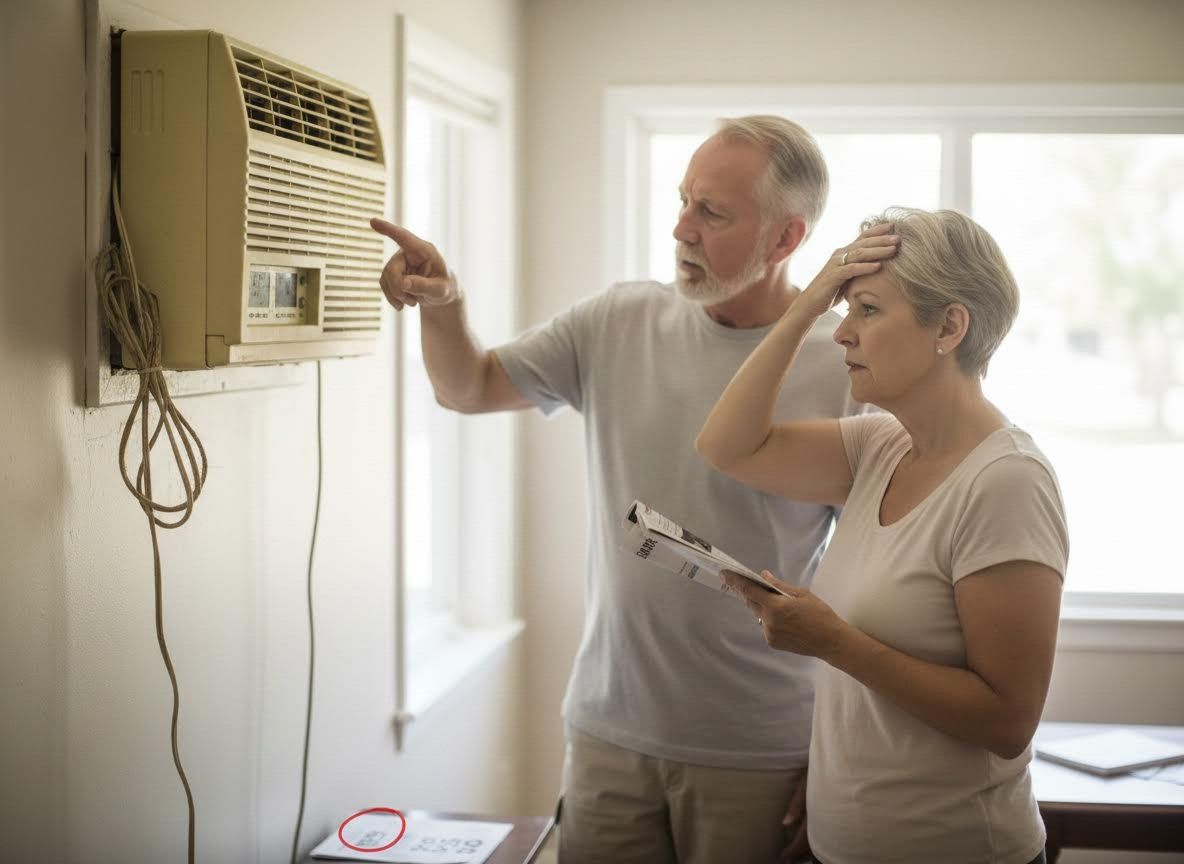
One of the most straightforward indicators that your AC unit might need replacing is its age. Most air conditioning systems have a lifespan of 10 to 15 years, though some well-maintained units can last longer. As a unit ages, its efficiency naturally declines. This means it has to work harder to achieve the desired temperature, leading to higher energy bills. Older systems often use outdated technology and less efficient refrigerants, which further contribute to increased energy consumption compared to modern, energy-efficient models.
Frequent Breakdowns and Escalating Repair Costs
If your air conditioner requires frequent repairs, or if individual repairs are becoming increasingly expensive, it's a strong signal that replacement might be more cost-effective. Constant calls for AC repair san jose can quickly add up, often approaching or even exceeding the cost of a new, more reliable unit. When a major component fails, such as the compressor or evaporator coil, the repair cost can be substantial. In such cases, investing in a new system often provides greater long-term value and peace of mind than repeatedly fixing an aging, unreliable one.
Inconsistent Cooling and Comfort Issues
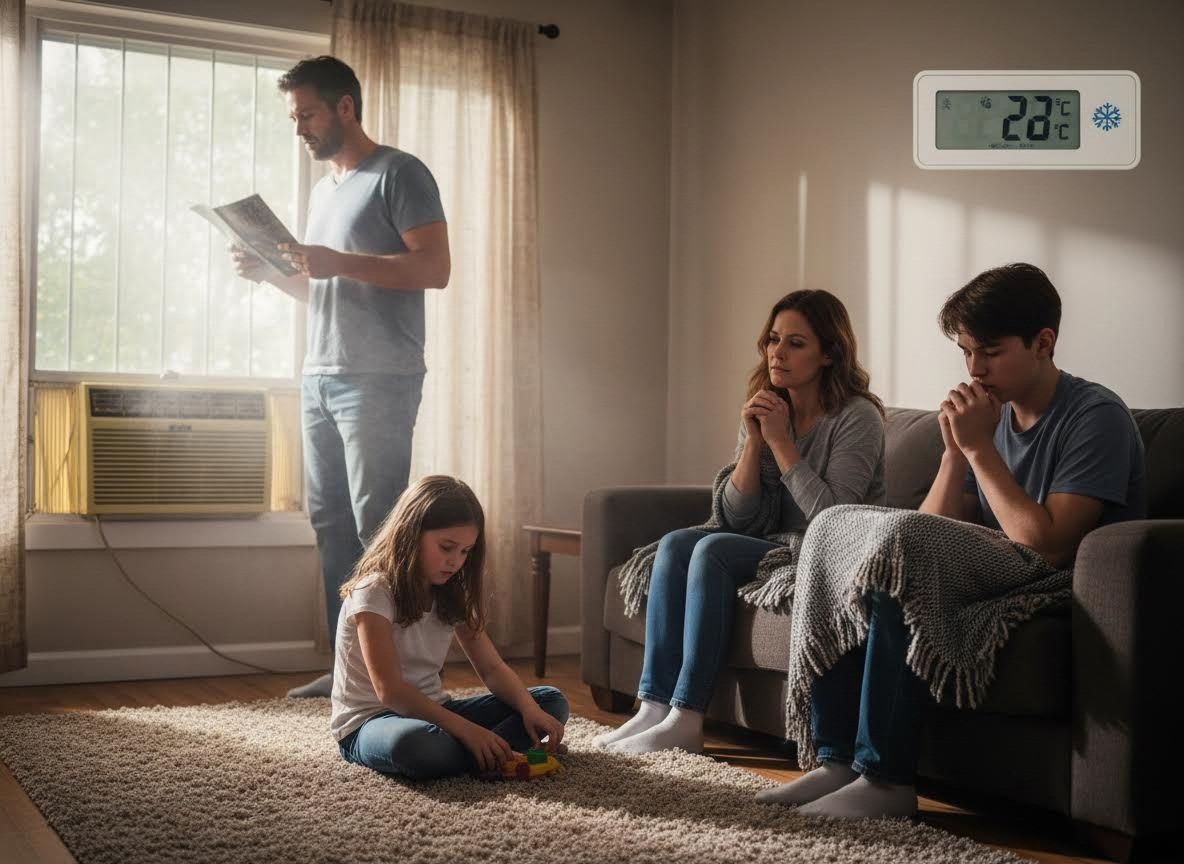
An AC unit's primary job is to provide consistent, comfortable cooling throughout your property. If you notice uneven temperatures, hot spots in certain rooms, or excessive humidity indoors even when the AC is running, your system may no longer be performing optimally. These comfort issues indicate that the unit is struggling to meet your cooling demands, potentially due to insufficient capacity, refrigerant leaks, or a deteriorating compressor. A new system can deliver more effective and consistent cooling, enhancing your overall indoor comfort.
Outdated Refrigerant and Environmental Impact
Older AC units, particularly those installed before 2010, often use R-22 refrigerant (also known as Freon). This refrigerant is being phased out due to its environmental impact, making it increasingly expensive and difficult to find for repairs. If your older unit develops a refrigerant leak, recharging it with R-22 can be very costly. Modern AC systems use environmentally friendly refrigerants like R-410A and are designed for higher energy efficiency, aligning with current environmental standards and potentially offering long-term savings on energy costs.
Deciding when to replace your old AC unit involves considering its age, repair frequency, performance, and environmental factors. For those in need of AC replacement san jose, evaluating these signs carefully can guide you toward making the best decision for your comfort and budget. To explore your options and receive expert advice tailored to your specific situation, we encourage you to learn more about our comprehensive HVAC solutions.